 Portland Thorns FC Hub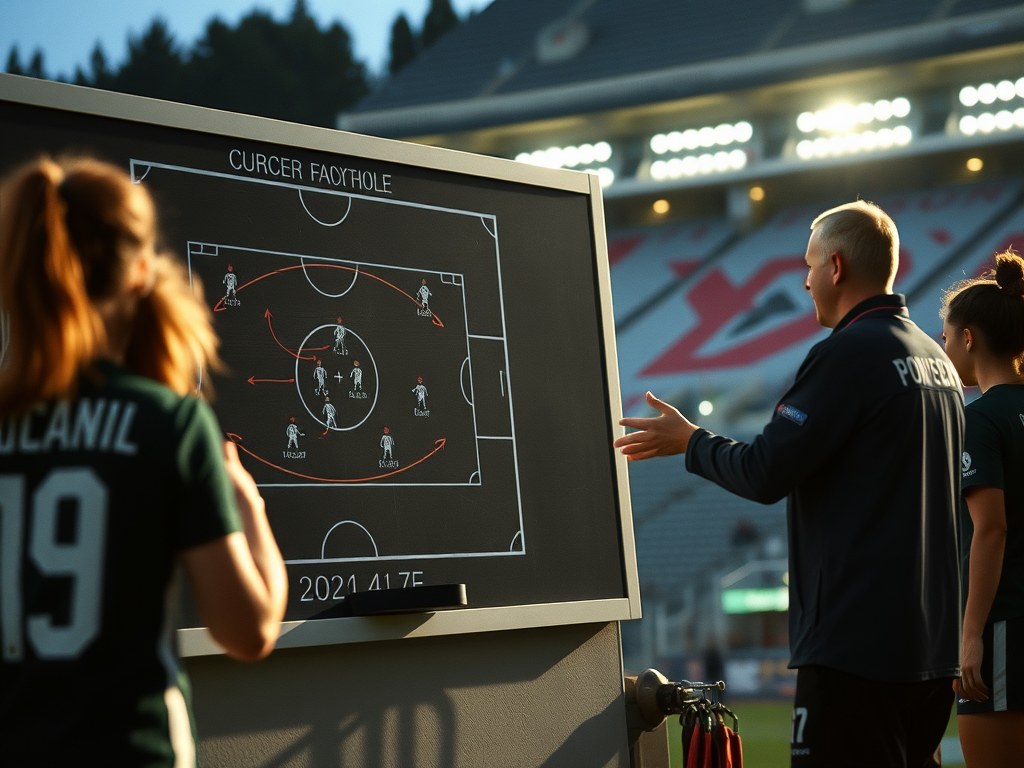
The Portland Thorns FC have experienced a rollercoaster ride in recent matches, showcasing flashes of brilliance yet struggling with consistency. Tactical adjustments can play a pivotal role in turning the tide as the squad aims to reclaim their dominant form in the NWSL. Here, we’ll break down the current tactical setup and suggest tweaks that could bolster performance moving forward.
Current Tactical Setup: A 4-3-3 Base
The Thorns have primarily operated in a 4-3-3 formation, leveraging the attacking prowess of their front three while maintaining a solid midfield presence. This structure allows for fluidity in attack, particularly through the wings where players like Sophia Smith and Crystal Dunn can exploit defensive gaps. However, recent matches have exposed vulnerabilities in transitions and defensive cover, particularly when the ball is lost in advanced areas.
Suggested Adjustments to Midfield Structure
One of the most pressing areas for adjustment lies within the midfield trio. Currently, the Thorns tend to deploy a single pivot with two more advanced midfielders, which can create a disconnect when the ball transitions back to defense. Shifting to a double pivot—pairing a more defensively-minded midfielder alongside a playmaker—could offer greater stability. This change would allow the Thorns to maintain possession more effectively and provide better cover against counter-attacks, which have been a recurring issue when the team loses the ball high up the pitch.
Enhancing Width and Depth on the Wings
While the Thorns excel in utilizing width through their wingers, incorporating overlapping runs from full-backs could elevate the attack. By encouraging players like Becky Sauerbrunn and Meghan Klingenberg to push higher up the pitch, the Thorns can create overloads on the flanks. This not only stretches the opposition defense but also opens up central spaces for attacking midfielders to exploit. The integration of full-backs in attacking play can add another dimension to the Thorns' offense, making it more unpredictable and difficult to defend against.
Defensive Cohesion and Communication
Defensively, the Thorns have shown moments of disarray, particularly during transitions where communication breaks down. Implementing a more cohesive backline structure can alleviate some of these issues. Encouraging the center-backs to engage more actively in organizing the defense during high-pressure situations could mitigate the risks associated with quick counter-attacks from opponents. Additionally, developing clearer roles in defending set-pieces can bolster their resilience and reduce unnecessary goals conceded.
Capitalizing on Set-Pieces
Finally, set-pieces offer the Thorns a valuable opportunity to convert scoring chances. Currently, their corner and free-kick routines lack variation, often resulting in predictable outcomes for opposing defenses. By introducing new set-piece strategies and ensuring that key aerial threats are positioned effectively, the Thorns can capitalize on these moments to gain an edge in tight matches.
Conclusion
As the Thorns continue to seek consistency, embracing these tactical adjustments could provide the necessary spark to elevate their game. Whether through reshaping the midfield, enhancing wing play, solidifying defensive communication, or maximizing set-pieces, these tweaks can help the team harness its full potential. With the right adjustments, the Thorns can shift their trajectory and climb the NWSL standings, reigniting their championship aspirations.